What You'll Learn
In this training you'll understand, hands-on, how GM module communication and programming engineering works — from the basics of the protocols to creating and modifying the files used in DPS.
Communication & Protocols
- UDS protocol fundamentals
- GMLAN network structure
- Reading UDS and GMLAN tables
- Identifying communication errors
- UUDT/USDT messages
DPS & Programming Files
- How GM's DPS works
- XML file structure
- Using SPAT
- Creating and assembling DPS files
- Organizing calibration files
- Type 4 files
- Structure of utility files
Security, VIN & PIN
- Deriving the KEY from the SEED
- Programming with authentication
- VIN selection and writing process
- Building utilities to change the VIN
- Building utilities to change the PIN
Hands-on File Analysis
- Reading the ECU's internal information
- Interpreting headers
- Op-code analysis
- Checksum correction
- Identifying hardware mismatches
- Interpreting DIDs
Who This Course Is For
This training is aimed at professionals who already have a foundation in electronic diagnostics and want to move up to programming, communication engineering and GM file manipulation.
- Automotive technicians working with electronic diagnostics
- Professionals using J2534 on the GM line
- ECU repairers
- Automotive locksmiths working with modules and programming
- Professionals who want to stop depending on third parties for advanced GM jobs
"Go beyond basic tool use and understand the engineering behind GM programming!"
What you take home from the course
Beyond the three days of in-person training, enrollment includes materials and access so you can apply what you learned in your daily work.
- Certificate of completion
- Support material: the software used during the course
- Calibration examples for reference and practice
- Reference VIN tables
- 1 year of access to the calculator
- 1 year of technical support
Get to know the training
What students say
Real photos from the previous class and feedback from those who attended the in-person training.
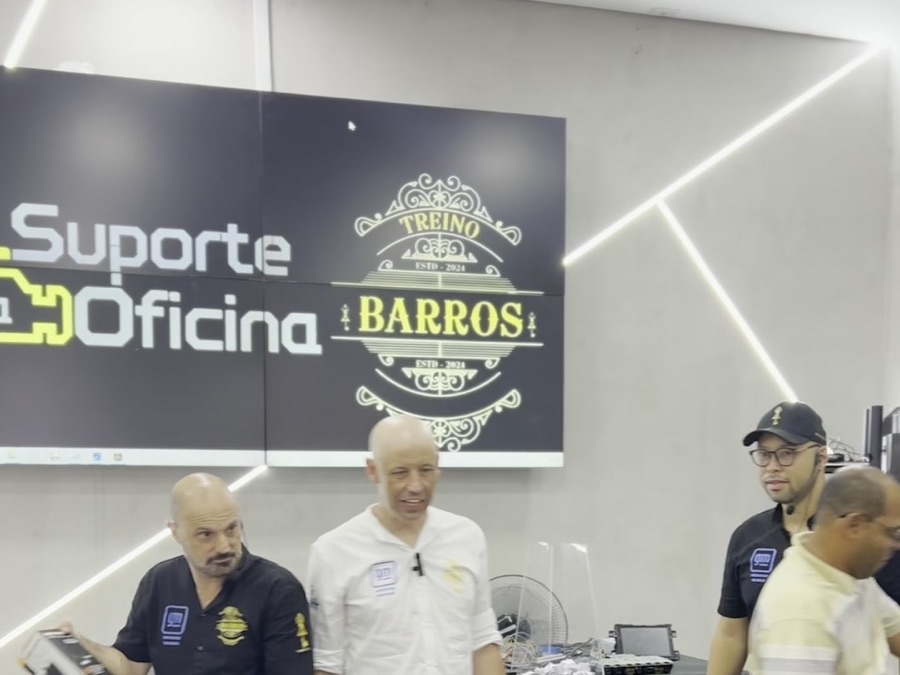
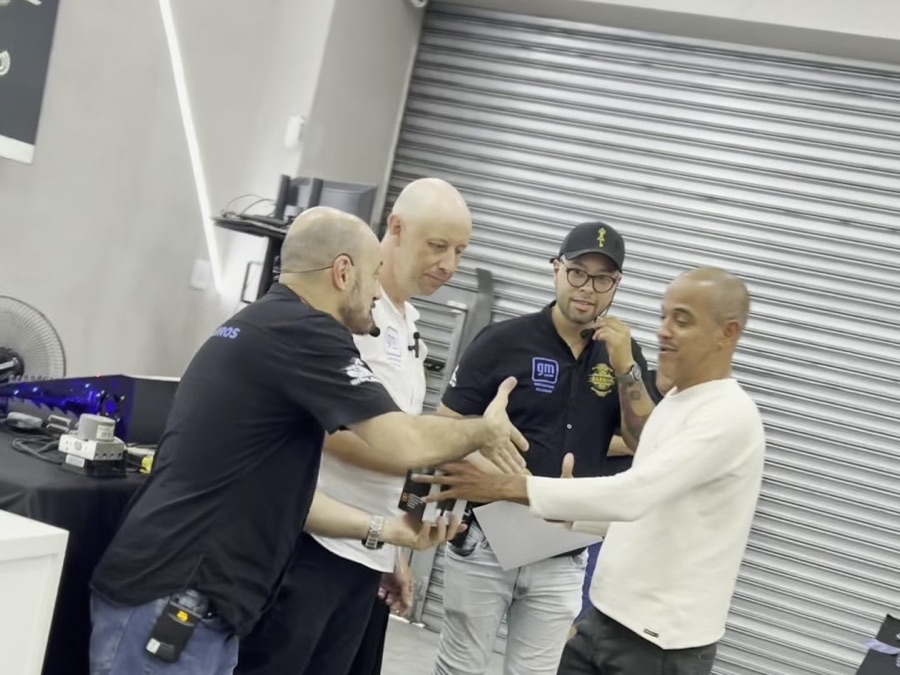
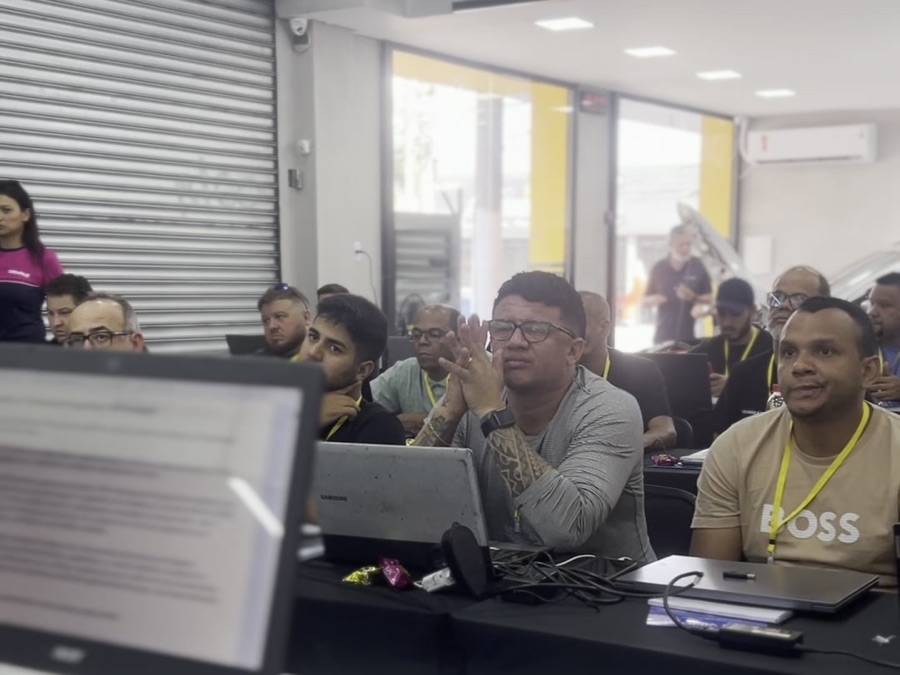
I was impressed by all the content. Very well explained — it'll help a lot in the day-to-day.
 Eugênio · Helpkey, SP
Completely different from what's out there. People who took other trainings hadn't learned even a third of what I learned here. Come — you won't regret it: worth every cent.
 Herbert · BH Soluções, AL
I want to thank you for the experience. I was impressed from start to finish.
 Gordão · ChaveiroWM, SP
Where it happens and how to get there
The course is in-person in São Paulo, Brazil, in the Tatuapé district (east side) — Rua Cesário Galero, 37. Here's how to get there, whether you're coming from Brazil or abroad.
Airports
- Guarulhos (GRU) — international, the main gateway if you're flying from abroad
- Congonhas (CGH) — domestic flights, closer to the center
- Avoid Viracopos/Campinas (VCP) — it's ~100 km away, far from the venue
Bus terminal
- Afraid of flying? You can reach São Paulo by bus from most of Brazil
- Main one: Tietê Terminal — the largest in Latin America, with a Metro station (Line 1-Blue) right outside
- Others: Barra Funda and Jabaquara, also connected to the metro
Getting around
- Tatuapé has Metro Line 3-Red (Tatuapé station) and CPTM trains
- Ride apps (Uber/99) and taxis cover the area well
- From GRU you can take a ride app, taxi or the Airport Bus Service
Where to stay
- Prefer hotels near Tatuapé Metro station or around the Anália Franco mall
- Staying near the metro makes getting to the course easy
- We can suggest options — just ask us on WhatsApp
Useful tips
- Arrive at least 1 day in advance
- The course is in Portuguese — keep that in mind if coming from abroad
- Bring your laptop; we'll tell you what to prepare beforehand
- Travel questions? Talk to us and we'll help you get organized